
Let me tell you about a beautiful-looking SUV that rolled into my bay last week. The paint gleamed, the interior was spotless, and the owner had a ‘clean’ CarFax report in his hand. He was about to pay top dollar. But when I put it on the lift, I found sloppy welds on the frame and a tell-tale ripple in the floor pan. That ‘clean’ report didn’t mention the car had been in a serious wreck and patched up just enough to fool an untrained eye. That buyer walked away, saving himself thousands and a massive headache. Today, I’m going to be that mechanic for you.
When you’re looking at a used car, a Vehicle History Report (VHR) is like its medical chart. It tells you where it’s been and what’s been officially documented. It’s the first thing a good doctor—or mechanic—asks for. But just like a medical chart, it doesn’t always tell the whole story. It’s a critical starting point, but it's not the final word.
The two biggest names in the VHR game are CarFax and AutoCheck. They’re the ones who compile these "charts." My goal here is to pop the hood on these reports, show you how they work, teach you how to read them like a pro, and explain what they
don't tell you. Most importantly, I'll show you how to use them as part of a smart, safe car-buying process that ends with you holding the keys to a reliable vehicle, not a hidden money pit.
The Two Heavyweights: CarFax vs. AutoCheck at a Glance
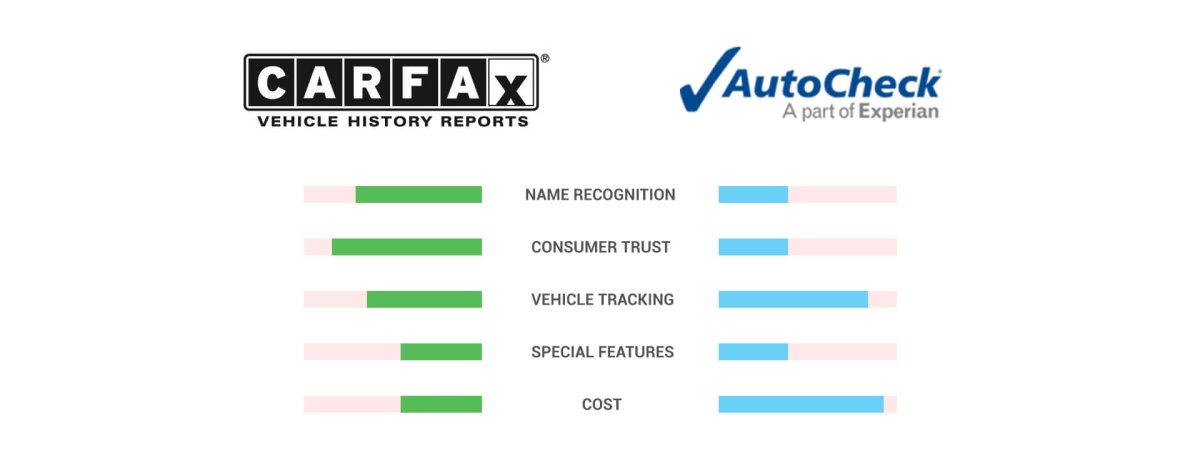
Before we get our hands dirty with the details, let's do a quick walk-around. At their core, both CarFax and AutoCheck are doing the same job: they pull data from thousands of sources to build a timeline of a car's life. They both cover the essentials you need to know, like title problems (was it salvaged or flooded?), accident history, odometer readings, and how many people have owned it. The real difference isn't just in the data they find, but in
how they present it and what they prioritize.
CarFax is the household name. It’s the one everyone knows and asks for, which is why you see dealers shouting "Free CarFax!" from the rooftops. They've built a powerful brand by training buyers to "Show me the CarFax!" Their biggest strength is often their network of service and repair shops. This means a CarFax report can sometimes give you a more detailed list of maintenance records, like oil changes and tire rotations, which is great for seeing if a car was cared for.
AutoCheck, which is owned by the credit-reporting giant Experian, is the other major player. Think of it as the savvy choice, especially for those of us who look at a lot of cars. AutoCheck has two major advantages that set it apart. First, it has exclusive data from the country's largest wholesale auto auctions, like Manheim and ADESA. This is huge, because a lot of used cars, especially ones with problems, pass through these dealer-only auctions. Second, it gives every car a proprietary "AutoCheck Score," which is a quick way to see how a car stacks up against others like it.
Neither one is universally "better". They're just different tools. CarFax is like a detailed logbook of a car's daily life. AutoCheck is more like an investigator's report, especially good at tracking a car's movements through the sometimes-shady world of wholesale auctions.
Table 1: CarFax vs. AutoCheck - Head-to-Head Comparison
To make it simple, here’s how they stack up side-by-side. This table cuts through the marketing noise and lays out the functional differences that matter to you as a buyer.
|
Feature |
CarFax |
AutoCheck (by Experian) |
My Take as a Mechanic |
|
Consumer Brand Recognition |
Very High - The "Kleenex" of VHRs
|
Moderate - Well-known, but less top-of-mind
|
CarFax's brand power is a marketing advantage for sellers. Don't let it be the only report you trust. |
|
Key Data Focus |
Detailed Service & Maintenance Records
|
Exclusive Major Auction Data (Manheim & ADESA)
|
CarFax is great for seeing if oil changes were done. AutoCheck is better for seeing if the car was sold at a "for-dealers-only" auction, which is where many problem cars end up. |
|
Proprietary Score |
No. Provides a "CarFax Value" adjustment
|
Yes. The patented "AutoCheck Score" (1-100)
|
The AutoCheck score is a useful quick-glance tool, but you still need to read the details. I'll break this down later. |
|
Pricing (Direct) |
Higher: ~$45 for one, ~$100 for five
|
Lower: ~$25 for one, ~$50 for five
|
AutoCheck is the clear winner for shoppers comparing multiple cars from private sellers. |
|
Pricing (via Carvins.net) |
Major Savings: ~$7.50 - $8.50
|
Major Savings: ~$7.50 - $8.50
|
This is your cheap Carfax report right here. Using a service like this makes getting both reports a no-brainer. |
|
Buyback Protection |
Yes, for missed DMV-issued title brands
|
Yes, for missed state-reported title brands
|
Both are marketing tools with huge limitations. NEVER rely on them as a real safety net. More on this critical point in Section 4. |
Under the Hood of the Reports: A Deep Dive Comparison
Now that we've seen the outside, let's dig into the engine room of these reports and see what makes them tick. Understanding where the information comes from—and where it doesn't—is the key to using these tools effectively.
The Data Trail: A River with Many Streams (and some dry riverbeds)
Both CarFax and AutoCheck pull their information from a massive, overlapping pool of sources. We're talking about data from the Departments of Motor Vehicles (DMVs) in all 50 states and Canada, insurance companies, police departments, auto auctions, fleet companies, and thousands of repair shops. CarFax proudly states it has data from over 100,000 sources and billions of records. AutoCheck, backed by Experian, leverages its own colossal database and has exclusive data partnerships that CarFax doesn't.
But here's the dirty little secret about these reports that most folks don't know: reporting is voluntary. There is no law that forces a body shop, an insurance company, or a private owner to report anything to CarFax or AutoCheck. If someone gets into a fender bender, pays cash to have it fixed at a small independent garage, and never tells their insurance company, that accident will almost certainly never appear on a VHR.
This creates a fundamental blind spot. A "clean" report can lull you into a false sense of security. I need to be crystal clear about this: A clean VHR does not mean a car has never been in an accident. It only means no accident has been reported to that specific service. An empty report isn't necessarily a good sign; it could just mean the car has lived its life "off the grid," with all its maintenance and repairs done at places that don't share data. This is the single most important concept you need to burn into your brain when looking at these reports.
The AutoCheck Score: Your Quick-Glance Thermometer
One of the biggest differences you'll see is AutoCheck's proprietary score. It’s a feature I find useful, as long as you know how to read it. It's not just a random grade; it's a predictive rating on a 1-100 scale that estimates the likelihood a vehicle will still be reliably on the road in five years.
The secret to using the AutoCheck Score is to ignore the number itself at first and look at the score range provided right next to it. This range shows you what a typical car of that same year, make, and model should score. The goal is to find a car that scores
at or above its recommended range.
Let me give you a real-world example. Let's say you're looking at two cars:
-
Car #1: A 2015 Honda Accord with an AutoCheck Score of 84. The recommended range for similar Accords is 78-83.
-
Car #2: A 2017 Toyota Camry with an AutoCheck Score of 88. The recommended range for similar Camrys is 89-94.
At first glance, the Camry's score of 88 looks better than the Accord's 84. But the Accord scored above its expected range, meaning it has a better-than-average history for its kind. The Camry, despite the higher number, scored below its range, indicating its history has some dings compared to its peers. In this quick comparison, the Accord is the better bet.
The score is calculated based on a whole host of factors, including the car's age, mileage, number of owners, any title brands (like salvage or rebuilt), reported accidents, odometer problems, and how it was used. For instance, being used as a police car, taxi, or rental will lower the score, while a history as a single-owner, off-lease vehicle will generally raise it.
My verdict? The score is a great starting point, especially if you're trying to quickly compare three or four different cars. It’s a handy thermometer to take a quick temperature reading. But it's still just a summary. You have to read the full report to understand why the car scored the way it did.
The Price Tag: How to Get a 'Cheap Carfax Report' Without Cutting Corners
If you're buying from a dealership, they'll almost always provide you with a CarFax or AutoCheck report for free because they have a subscription. But if you're buying from a private seller, you're on your own, and this is where the cost can add up fast.
Going directly to the source, CarFax is the more expensive option. A single report will set you back around $45, while a package of five costs about $100. AutoCheck is more budget-friendly, charging about $25 for one report and $50 for a package of five. If you're shopping around and looking at multiple cars from private sellers, AutoCheck is the clear price winner.
However, this is where you can be a truly savvy shopper. You came here looking for a 'cheap Carfax report,' and there's a smarter way to do it. Third-party providers like Carvins.net buy reports in bulk and can offer them to you at a steep discount. You can get a single CarFax or AutoCheck report for around $8, or a bundle with both reports for about $12.
This leads me to my strongest recommendation in this section: the "Get Both" strategy. Because CarFax often has more detailed service records and AutoCheck has exclusive auction data, they cover each other's blind spots. I've seen it happen in my shop: a car comes in with a spotless CarFax, but the AutoCheck report shows it was sold at auction with "structural damage announced." One report tells you the oil was changed on time; the other tells you the frame might be bent. Which one do you think is more important?
When buying direct, the cost of getting both reports is nearly $70. But when you can get both for less than the price of a fancy coffee, it's a no-brainer. This is the single best investment you can make before you even think about test-driving a car.
A Mechanic's Guide to Reading the Fine Print: Spotting Critical Red Flags
Alright, you've got your reports in hand. Now comes the important part: reading them like a detective. A VHR is packed with codes and jargon that can be confusing. I'm going to teach you how to decipher the most critical sections and spot the red flags that would make me tell a customer to walk away.
Title Nightmares: Salvage vs. Rebuilt Title Explained
The title status is the most important piece of information on the report. It tells you about the legal life and death of the vehicle. Let's break down the terms you need to know.
First, the gold standard is a clean title. This means the vehicle has never been written off as a total loss by an insurance company. This is what you want to see.
Now for the trouble.
A salvage title is issued when an insurance company declares a vehicle a "total loss." This usually happens when the cost to repair it from a crash, flood, fire, or even theft is more than a certain percentage of its value (typically around 75%). A car with a salvage title is a ghost—it is
not road-legal. You cannot register it, put plates on it, or get it insured for driving on public roads. It's legally just a pile of parts, meant to be sold to a scrap yard or a professional rebuilder.
A rebuilt title (sometimes called "reconstructed" or, in states like California, "revived salvage") is what happens next. It means a car that was a salvage vehicle has been repaired and then passed a state inspection, making it road-legal again.
These terms are confusing, so here’s a simple chart to keep them straight.
Table 2: Decoding Title Brands
|
Feature |
Clean Title |
Salvage Title |
Rebuilt Title |
|
|
What It Means |
Never declared a total loss. |
Declared a total loss by an insurer. Needs major repairs. |
Was a salvage vehicle, has been repaired and passed state inspection. |
|
|
Is it Road-Legal? |
Yes. |
No. Cannot be registered or driven on public roads.
|
Yes. Can be registered and driven.
|
|
|
Insurance |
Easy to get full coverage. |
Generally cannot be insured for road use.
|
Difficult. Many insurers will only offer liability, not full coverage.
|
|
|
Resale Value |
Standard market value. |
Very low, sold for parts or to rebuilders. |
Significantly lower (20-40% less) than a clean-title equivalent. Hard to resell.
|
|
|
Mechanic's Warning |
The gold standard. |
For pro rebuilders or parts only. Do not buy for daily driving. |
High risk. The quality of repairs is unknown. State inspections are often just for basic safety/stolen parts, not repair quality.
|
Proceed with extreme caution and always get a PPI. |
Now, let's talk about the "State Inspection Fallacy." Many buyers think that because a car has a rebuilt title, the state has given it a clean bill of health and certified that the repairs were done right. This is dangerously false. In many states, that inspection is incredibly basic. They might just be checking that the lights work, the brakes stop the car, and that the VIN on the dashboard matches the one on the door—mostly to ensure no stolen parts were used. They are
not performing a detailed analysis of the structural repair quality.
A rebuilt title is a permanent brand on a car's history. It carries a stigma for a reason. The underlying damage from the original accident could be lurking, covered up by a cosmetic fix, waiting to cause alignment issues, premature tire wear, or, worst of all, fail to protect you in another crash. My advice is simple: unless you are a professional mechanic or rebuilder who can personally verify the quality of every weld and panel, you should avoid cars with rebuilt titles. The discount is not worth the risk.
Beyond Dents and Scratches: Uncovering Structural Damage
This is one of the most critical red flags, and it's one that many buyers miss. Structural damage refers to any harm to the car's core framework—its skeleton. On modern cars, this is the unibody chassis; on trucks and some older cars, it's the frame. This structure is engineered to be incredibly strong and to crumple in specific ways to absorb impact and protect you in a crash. Any damage to it compromises the vehicle's safety and integrity.
Here's the crucial part you need to understand: A car can have structural damage and still have a clean title. This happens all the time. An accident might have been severe enough to bend the frame, but the repair cost was just below the insurance company's "total loss" threshold. Or the damage might have been discovered and noted at a wholesale auction.
This is why you can't just look at the title status. You have to be a detective. When you get your VHR, use the search function (Ctrl+F on a computer) and look for the words "structural" and "frame." Any mention of these terms, even if the report says "minor damage," is a massive red flag. It means that at some point, someone officially recorded damage to the car's skeleton. This kind of damage permanently reduces a car's value and can never be truly "erased". If you see these words, you either walk away or you make sure the pre-purchase inspection includes a detailed frame and structural analysis by a top-tier body shop.
The Odometer Rollback Check: How to Avoid Getting Scammed
Odometer fraud is one of the oldest tricks in the book, and it’s still happening today. Scammers roll back the mileage to make a car seem less used and therefore more valuable. With modern digital odometers, it's harder to spot than the old mechanical ones, but it's not impossible. Fraudsters can use special software to reprogram the car's circuit board, but this can sometimes leave digital fingerprints.
Here is my personal checklist for performing an odometer rollback check:
-
Trace the VHR Timeline: This is your first line of defense. Look at the mileage recorded at every event on the report—every registration renewal, every emissions test, every oil change at a reporting shop. Create a mental timeline. Does the mileage increase steadily and logically? A big, unexplained gap in reporting or, worse, a mileage number that goes down from one entry to the next is a huge red flag.
-
Compare Wear and Tear to the Miles: The car's condition should tell a story that matches the odometer. If the odometer reads 40,000 miles, but the driver's seat is torn, the steering wheel is shiny and smooth from years of use, and the brake pedal is worn down to the metal, something is wrong. A car with only 20,000 miles should almost always still have its original set of tires.
-
Inspect the Dashboard: On older cars with mechanical odometers, look for numbers that are crooked, misaligned, or have gaps between them. On any car, look for scratches on the plastic instrument cluster cover or fingerprints on the
inside of the glass. This is a dead giveaway that someone has been in there.
-
Hunt for Service Stickers: Always check the driver's side doorjamb, the glove box, and under the hood for little "next service due" stickers from oil change shops. The mileage and date on those stickers should line up with the VHR and the current odometer reading.
-
Trust Your Gut (and Your Mechanic): If a 10-year-old car is being sold with only 30,000 miles for a suspiciously low price, your alarm bells should be ringing. During a pre-purchase inspection, a good mechanic can plug in a high-end scan tool. Sometimes, the true mileage is stored in other computer modules in the car (like the engine control unit or ECU), and a mismatch with the dashboard display is a smoking gun for fraud.
A Car's Secret Past Life: Reading Between the Lines of Ownership History
Don't just look at the number of owners; look at the type of owner. The VHR will often list the "Type of Use," and this section can tell you a lot about the life the car has lived.
The big red flags to look for are: "Rental," "Fleet," "Taxi," or "Police".
Now, buying a former rental car isn't automatically a bad idea, but you need to go in with your eyes wide open. These cars are usually newer models and are often maintained "by the book" because the rental company needs them to be reliable. The problem is the drivers. A rental car has been driven by hundreds of different people, many of whom subscribe to the theory that "the fastest car in the world is a rental". This means hard acceleration, hard braking, and less care than someone would give their own property. This can lead to premature wear and tear on the engine, transmission, brakes, and suspension that might not be immediately obvious. They also tend to rack up very high mileage in a short amount of time. If you're considering a former rental, a rigorous pre-purchase inspection isn't just a good idea; it's absolutely essential.
The "Guarantee" Reality Check: What Their Buyback Protection Doesn't Cover
Let's clear the air on this one, because it's one of the most misunderstood parts of a VHR. Both CarFax and AutoCheck advertise a "Buyback Guarantee" or "Buyback Protection." I need you to understand what this really is: it's a marketing tool, not a warranty on your car.
Here’s the reality. Their "guarantee" only applies under a very specific and narrow set of circumstances. They will only consider buying the car back if the VHR you purchased failed to list a severe, state-issued title brand (like Salvage, Flood, Junk, Lemon, or a branded Odometer problem) that was already on record with the DMV and had been reported to their data systems before you ran the report.
That sounds okay, until you realize what's on the massive list of things that are NOT covered:
-
Accidents of any severity that don't result in a branded title.
-
Damage that was reported by a police department or an auction but not by the DMV.
-
Any and all mechanical problems, from a bad sensor to a blown engine.
-
Transmission issues.
-
Structural or frame damage that didn't lead to a salvage title.
-
Basically, almost every single problem you are actually worried about when you buy a used car.
The term "Buyback Guarantee" is designed to make you feel safe and confident, as if the VHR company has thoroughly vetted the car and is standing behind its quality. This is simply not true. The conditions you have to meet to make a successful claim are so strict and the process so complex that it's rarely a viable safety net.
This feature creates a dangerous illusion of protection. It can make a buyer think, "Well, the report is clean and it's guaranteed, so I don't need to worry." This is exactly the kind of thinking that leads to buying a problem car. AutoCheck's policy of covering up to $500 in aftermarket accessories is a nice gesture, but it doesn't change the fundamental limitation of the program. The only real guarantee you have in this process is the one you get from a trusted, independent mechanic who has physically put their hands and eyes on the car.
The Final Word in Due Diligence: Why a Pre-Purchase Inspection is Non-Negotiable
We've spent a lot of time talking about reports, and they are an essential first step. But I want to end with the single most important piece of advice I can give you.
Think of it this way: the Vehicle History Report is the car's medical history chart. It's essential reading. But you would never let a surgeon operate on you based only on the chart. You'd want a full physical exam, blood work, and maybe an MRI first. The Pre-Purchase Inspection (PPI) is that comprehensive physical exam for the car. The VHR tells you about the car's documented past; the PPI tells you about its current health and helps predict its future.
A PPI is not just a longer test drive. It's a thorough examination by a qualified mechanic who knows what to look for. Here’s what a proper PPI should include:
-
Putting it on a Lift: This is where the truth comes out. A mechanic will get underneath the car and inspect the undercarriage for excessive rust, fluid leaks (engine oil, coolant, transmission fluid), and most importantly, signs of hidden structural or frame damage. We look for bent components, scrape marks, and non-factory welds that scream "this car was in a bad wreck".
-
Mechanical and Electrical Deep Dive: We check the health of the engine, the condition of the belts and hoses, the remaining life on the brake pads and rotors, and the state of the suspension components. We also perform tests on the battery, alternator, and starter to make sure the electrical system is healthy.
-
Plugging in the Brain: We connect a professional-grade computer scan tool to the car's diagnostic port. This allows us to see any current, pending, or even recently cleared trouble codes that the "Check Engine" light on the dashboard might not be showing you.
-
A Mechanic's Road Test: When I test drive a car, I'm not listening to the radio. I'm listening for specific noises from the suspension over bumps, feeling for any hesitation or slipping from the transmission as it shifts, and testing the steering and brake response under different conditions.
To make it perfectly clear why both are necessary, look at this final chart.
Table 3: VHR vs. PPI - What They Actually Tell You
The PPI isn't just a pass/fail test; it's your ultimate negotiation tool. If the inspection report shows the car needs $1,000 worth of new tires and a brake job, you now have a professional, third-party document you can use to negotiate the price down. If the report finds a bent frame or a leaking head gasket, it gives you the undeniable proof you need to walk away from the deal and not look back.
And here’s a final tip: a seller's reaction to your request for a PPI tells you everything. An honest seller with nothing to hide will have no problem with it. A seller who makes excuses, gets defensive, or flat-out refuses is waving a giant red flag. The request itself is one of the best ways to vet a seller.
Your Final Pre-Flight Checklist
So, CarFax or AutoCheck? The answer is both. CarFax gives you a good look at the reported service history, and AutoCheck gives you a window into the auction world and a handy score for quick comparisons. With the incredible value offered by services like Carvins.net, there is no reason not to pull both reports and get the most complete picture possible.
But the reports are just the beginning. Buying a used car is a process, and if you follow the steps in the right order, you protect yourself from expensive mistakes. Here is my unbreakable rule, your final checklist before you buy:
-
Get the Vehicle History Reports (Both, if possible). This is your initial background check.
-
Read Them Like a Detective. Use this guide to hunt for the big red flags: title brands, any mention of structural damage, odometer discrepancies, and a history as a fleet or rental car.
-
Get a Pre-Purchase Inspection. This is your final, non-negotiable physical exam. The mechanic's written report is the ultimate truth about the car's current condition.
Buying a used car doesn't have to be a gamble. It's about replacing fear and uncertainty with information and process. You now know how to read the reports, what the fine print really means, and why a good mechanic is your best friend in this journey. Now go out there and find a great car, confidently.


