
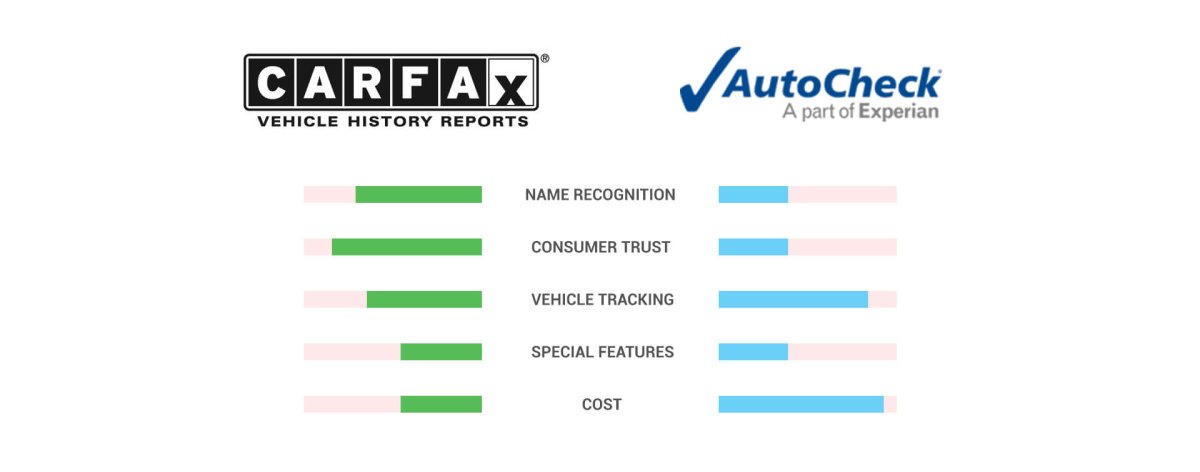
Alright, gather ‘round folks. James here. The other day I was staring at two different brands of oil filters for my old pickup. They looked nearly identical, both promised to keep the gunk out of my engine, but I know from years of bustin’ my knuckles that the little differences matter. A LOT. That’s exactly the spot you’re in when you’re picking between an AutoCheck and a CarFax report. They’re the two heavyweights in the vehicle history game, and everyone wants to know: which one’s actually better?
You see ads for a cheap CarFax or a cheap AutoCheck report all over the place. And for good reason! Buying a used car without checking its history is like marrying someone without ever asking about their exes. It’s a recipe for disaster. But which “background check” do you run? Let’s pop the hood on both of ‘em and see what’s really going on under there. This is the real-deal, no-fluff comparison from a guy who’s seen what happens when you pick the wrong tool for the job.
The Big Two: What They Both Get Right
First off, let's be clear: getting either report is a thousand times better than getting no report at all. Think of CarFax and AutoCheck as two different detectives assigned to the same case. They’re both going to the same places for clues—the DMV, insurance companies, police departments, and repair shops. They’ll both tell you the big, important stuff, like:
- Title Status: Has it been branded as Salvage, Rebuilt, Flooded, or a Lemon? This is the PASS/FAIL part of the test.
- Accident History: They’ll show you reported accidents, and sometimes the severity.
- Odometer Readings: They track the mileage to help spot potential odometer rollback fraud.
- Ownership History: How many people have owned this car? Was it a personal car or a rental workhorse?
So, yeah, they both give you the critical intel. But the devil, as they say, is in the details. And the way they find and present those details is where you'll find the difference.
In the CarFax Corner: The Household Name
CarFax is the big dog, the one everyone’s heard of. It’s the Kleenex of vehicle history reports. Their biggest strength, from my point of view, is often the service and maintenance records. They seem to have deep connections with a TON of repair shops, both big chains and smaller local guys. Seeing a car’s oil change history laid out for you is a beautiful thing. It tells you if the previous owner actually cared for the vehicle, or if they just drove it into the ground.
CarFax also pushes their “Buyback Guarantee.” Sounds great, right? But read the fine print. It generally only covers you if there was a major title problem (like a salvage or flood brand) that was on the state’s records but somehow missed by CarFax. It’s not going to save you if the report missed an accident that wasn't reported to the DMV. It's a safety net, but not a trampoline. And, let's be honest, getting a CarFax VIN check directly from them can be pricey, especially if you’re looking at a few different cars.
The AutoCheck Advantage: The Savvy Contender
AutoCheck, which is owned by the credit reporting giant Experian, has a secret weapon up its sleeve, and it’s a brilliant one: the AutoCheck Score. It’s like a credit score for the car. It takes all the data—the age, mileage, accidents, owners—and spits out a simple number, along with a range for similar cars. This makes comparing three different Honda Accords an absolute breeze. You can see right away which one scores higher and why.
Where AutoCheck REALLY shines is in its access to auction data. This is HUGE. A whole lot of cars with potential problems get passed through auctions. AutoCheck is known for being better at flagging these, letting you know if a car was announced at auction with "frame damage" or other major issues, even if it never resulted in a salvage title. For my money, this is a massive plus. They also tend to be the more affordable option, so you can get a cheap AutoCheck report and not feel bad about running a few of them.
The Mechanic's Verdict: So… Which One Is It?
If you walked into my garage and asked me which one to buy, I’d tell you it’s like asking if you need a Phillips or a flathead screwdriver. The answer is… it depends on the screw. But I know that’s not helpful, so here’s my breakdown.
Go for CarFax if: You're looking at a newer, one-owner car and your primary concern is a detailed maintenance history. Seeing those regular oil changes and check-ups provides incredible peace of mind.
Go for AutoCheck if: You're comparing multiple vehicles and love the idea of a simple score to guide you, or if you suspect a car might have a shady past and has been through an auction house. That auction data is gold.
But you want the REAL pro-tip? The absolute best-practice, grease-monkey-approved advice? Get both.
I’m not kidding. They cost a few bucks. A new engine costs thousands. They pull from slightly different pools of data, and one might catch something the other misses. I once saw a CarFax report that was completely clean, but the AutoCheck report showed the car was announced with frame damage at a dealer auction. That’s a bullet dodged. Thinking about the cost of a single report is playing checkers. You need to play chess. The smartest move on the board is getting a Carfax AutoCheck bundel. Seriously, it's the best of both worlds and the cheepest (oops, cheapest) insurance you'll ever buy on a car.
Your Best Tools: A Report and an Inspection
Look, at the end of the day, whether you choose CarFax, AutoCheck, or the smart play and get both, you have to remember it's just one tool. It’s an incredibly important one, but it’s not a crystal ball. It only knows what's been reported. That’s why you MUST—and I mean MUST—get a pre-purchase inspection (PPI) from a trusted mechanic before you hand over your hard-earned cash. A report tells you the past; a mechanic tells you the present. Combine them, and you can see the future.
Don't get stuck with a lemon. Be the smartest buyer on the lot. Head over to Carvins.net to get your cheap Carfax or AutoCheck report instantly. Better yet, grab our Carfax AutoCheck bundel and get the complete picture for one low price. It’s the smartest money you’ll spend in your car buying process.


